
Somewhere between the last string of scorching summer afternoons and the season’s first cool front, a lot of Eastern North Carolina homeowners start looking at their driveway differently. The cracks that opened up during the summer heat are still there. The edges have started crumbling where water sat after every storm. And now, with cooler mornings finally showing up, the question shifts from whether to fix it to whether now is actually a smart time to do it.
It’s a fair question, and the answer isn’t as simple as picking whatever season feels most convenient. Asphalt is a temperature sensitive material, and the window Eastern North Carolina gets each fall lines up closely with how the mix actually needs to be installed and cured. Understanding why matters more than just picking a date off the calendar.
In this article:
- Why Homeowners Rush to Beat Winter With a New Driveway
- The Temperature Window That Actually Matters for Asphalt Compaction
- How Eastern North Carolina’s Fall Weather Works in Your Favor
- Why Spring Isn’t the Safe Bet Most People Assume It Is
- The Curing Window Before the First Hard Freeze
- Signs Your Driveway Won’t Make It Through Another Winter
- What to Expect When You Schedule a Fall Paving Project
- Getting the Timing Right for Your Property
Why Homeowners Rush to Beat Winter With a New Driveway
Part of the fall rush is practical. People want a finished driveway before holiday guests start pulling in, and nobody wants to be shoveling ice off a surface that’s already falling apart. But there’s a real mechanical reason behind the instinct too, not just a scheduling preference.
An aging driveway with existing cracks doesn’t just sit still through winter. Water works its way into every opening, and when temperatures drop below freezing, that water expands. The expansion pries the crack wider, and the next freeze does it again. By spring, damage that looked minor in October can look dramatically worse. Getting ahead of that cycle, rather than riding it out one more winter, is often the real reason fall paving makes sense.
The Temperature Window That Actually Matters for Asphalt Compaction
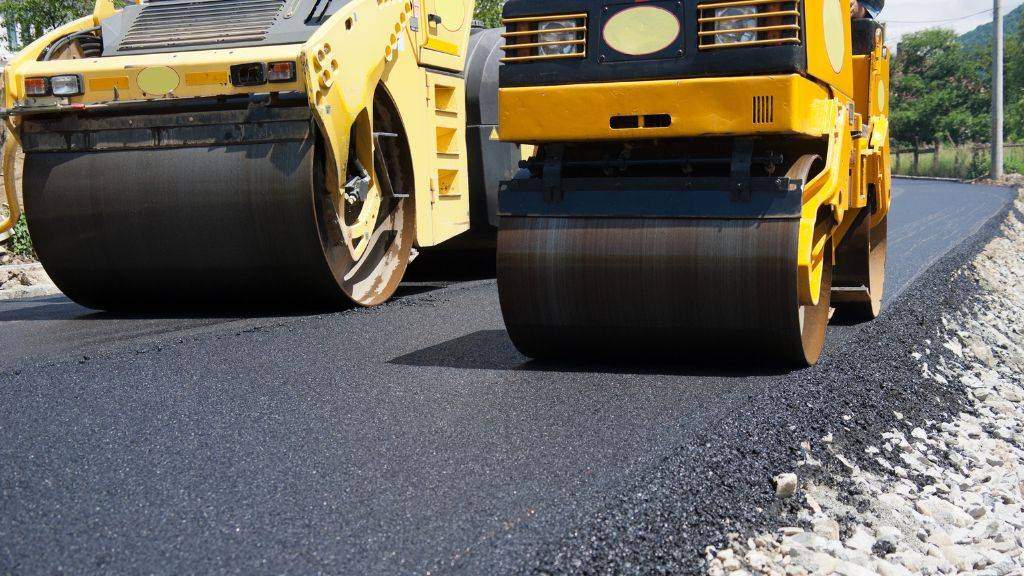
Asphalt has to be compacted while it’s still hot enough to roll and bond into a dense, watertight surface. Wait too long after it’s laid down and the mix stiffens before the roller can achieve proper density, leaving a weaker, more porous surface that lets water in over time. On the other end, install during extreme heat and the fresh mat can be soft enough that equipment, tires, or even foot traffic leave permanent marks before it sets.
Fall in Eastern North Carolina tends to land in the middle of that range. Daytime temperatures are usually mild enough to work with, and nights aren’t yet cold enough to shock the fresh asphalt before it has a chance to firm up. That combination gives crews a longer daily working window than either the height of summer or the deep cold of winter allows.
How Eastern North Carolina’s Fall Weather Works in Your Favor
Once the region’s active storm season starts to taper off, rainfall generally becomes more predictable, which matters because a paving crew needs a dry, workable subgrade before any asphalt goes down and a dry surface while it cures. Fewer sudden downpours mean fewer days lost to rescheduling, and it means the base beneath the new driveway has had time to dry out and settle after a wetter stretch earlier in the year.
That stability underground is easy to overlook, but it’s arguably as important as the surface temperature above it. A driveway installed over a soft, saturated base will show problems long before the asphalt itself wears out, no matter how well the top layer was compacted.
Why Spring Isn’t the Safe Bet Most People Assume It Is
Here’s the part that surprises a lot of homeowners: spring, which feels like the obvious “safe” choice after winter, often isn’t the advantage people think it is. The ground across the region is still recovering moisture from winter, contractors are working through a backlog of damage that showed up over the cold months, and by the time a crew can actually get to a residential driveway, the calendar has often slid into early summer heat, the exact window where compaction gets harder, not easier.
Booking in fall sidesteps that bottleneck entirely. As the crews at AJ & Son Asphalt Specialists have seen across three decades of paving driveways throughout Pitt County and the surrounding area, homeowners who wait for spring are frequently competing for the same crew availability as everyone recovering from winter damage at once. Fall projects tend to move through scheduling, prep, and installation with far less competition for the calendar.
The Curing Window Before the First Hard Freeze
Freshly compacted asphalt doesn’t reach its full strength the moment the roller finishes. It needs time afterward to harden and stabilize, and that process goes more smoothly when it isn’t racing against frozen ground. A driveway installed with plenty of mild weather still ahead has the chance to cure fully before winter’s freeze thaw cycles begin, which means the surface is at its strongest right when it needs to be.
Wait too long into late fall or early winter, and a project can end up installed just before the cold sets in, without the buffer needed for the asphalt to properly harden first. That’s one more reason timing within the season matters, not just the season itself.
Signs Your Driveway Won’t Make It Through Another Winter
Not every driveway needs to be paved this fall just because the season is favorable. But certain warning signs suggest waiting through another winter will cost more in the long run than it saves. Watch for:
- Cracking that has spread across large sections rather than staying isolated
- Multiple potholes forming, especially in the same low spots
- Edges that have started to crumble or lose their shape
- Water that pools in the same area after every rain instead of draining away
- A history of repeated patch jobs in the same spots year after year
When several of these show up together, it’s usually a sign the driveway has moved past the point where a patch will hold, and full repaving becomes the more practical choice over continuing to patch damaged areas one section at a time.
What to Expect When You Schedule a Fall Paving Project
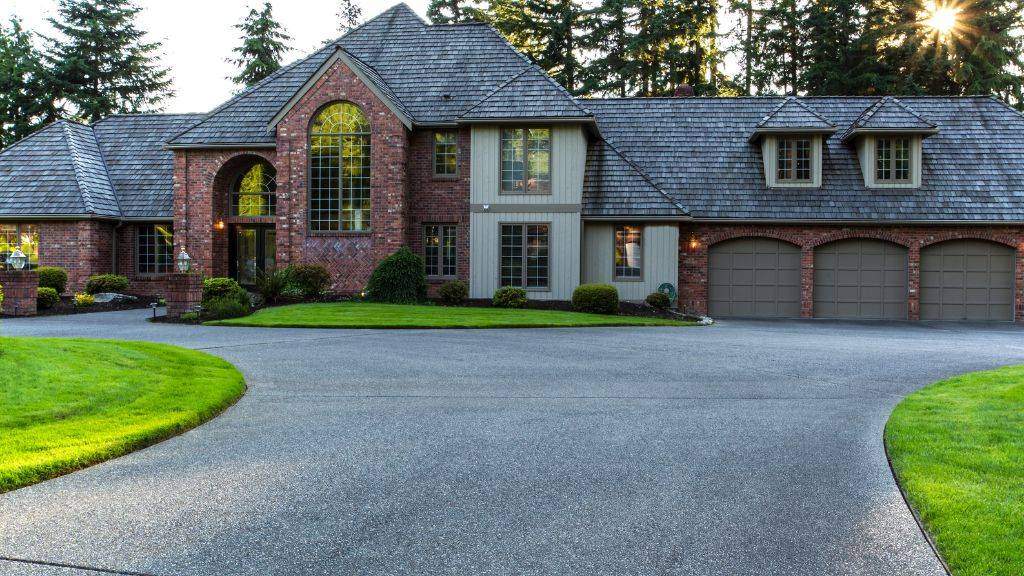
A fall project generally starts the same way any paving job should: with someone actually walking the property, checking drainage, and looking at what’s happening underneath the surface, not just what’s visible on top. If grading or drainage issues contributed to the original damage, those get addressed before new asphalt goes down, since paving over an unresolved drainage problem just brings the same issue back.
From there, the timeline depends on the size of the driveway and how much prep work the site needs, but getting on the schedule earlier in the season generally means more flexibility around weather delays. This is also the point where getting a straightforward, no pressure estimate makes the biggest difference, since it gives a homeowner a realistic sense of scope before committing to a date.
Getting the Timing Right for Your Property
Fall doesn’t guarantee a perfect paving experience by itself, but the conditions it typically offers in Eastern North Carolina, workable temperatures, a drier and more settled base, and enough time to cure before the cold sets in, line up well with what asphalt actually needs to perform for years afterward. The bigger risk usually isn’t paving in fall. It’s waiting through one more winter on a driveway that’s already showing it can’t handle another freeze thaw cycle.
If your driveway has been on your mind since the heat of summer cracked it further open, the smartest move is getting a professional look at it before the season’s booking calendar fills up. Request a free estimate from AJ & Son Asphalt Specialists and find out whether this fall is the right window for your property, or whether a different timeline makes more sense for your specific situation.